There is a lot wrong with processed and ultra-processed foods and healthy eating. After the publication of the so-called new food pyramid, the stigma is especially on ultra-processed food. The problem is that no one actually knows what ultra-processed food is. The way food is processed does not determine its nutritional value and whether it is healthy.
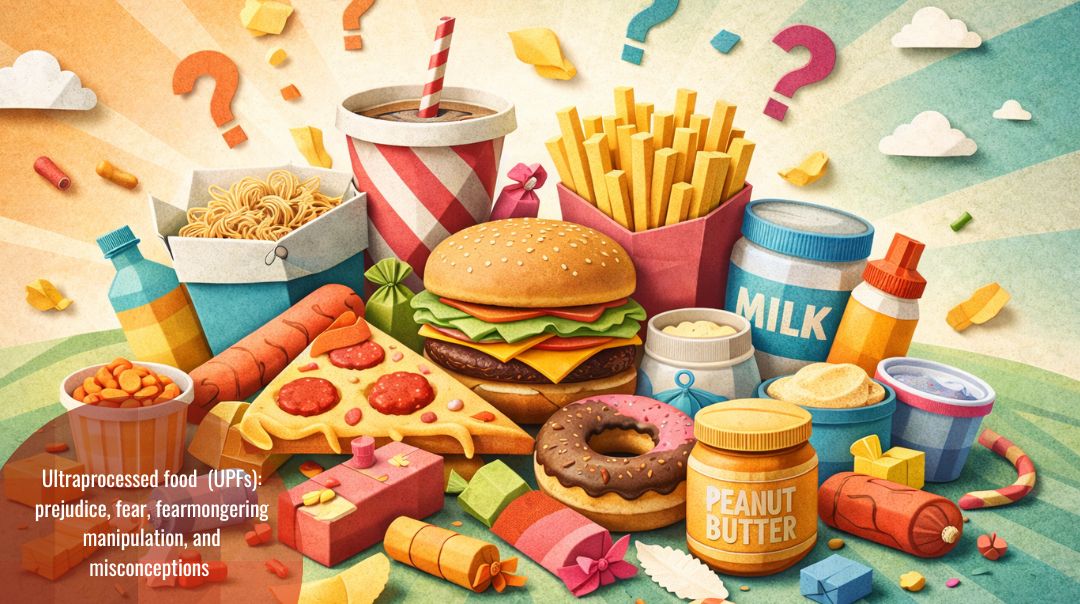
Let's face it – a good part of ultra-processed, “unnatural” food is indeed unhealthy, but not all. The abbreviation for this type of food is UPF (UPFs) according to English Ultra Processed Foods. And the pictures next to this name are usually hamburgers, pizzas, doughnuts, ice cream and sodas.
What Does “Ultra-processed Food” Actually Mean?
So, according to the NOVA food categorization, foods are divided into four groups: unprocessed or minimally processed foods, processed culinary ingredients (eg salt), processed foods, and ultra-processed foods. The higher the degree of processing, the further the product is usually from its original natural form. Special attention is focused on ultra-processed food, which often contains numerous additives and is associated with a higher risk of chronic diseases such as diabetes, cardiovascular diseases, dementia, obesity.
The NEW classification is a system developed by researchers from the Universidade de São Paulo to divide foods according to the degree of industrial processing, and not according to nutritional composition.
Let's say that processed food includes bread, because it is created by processing flour, in the fermentation process, pickled vegetables, frozen fruit. All these are high-value foods. Canned food also belongs to this group – all those healthy sardines, salmon and the like. Cheeses, milleram, cream – belong to processed foods. In fact, every packaged milk is processed – because it is pasteurized and homogenized, and part of the fat is removed. Yogurt is a processed food.
Are All Ultra-processed Foods Harmful?
However, processed food is not as much of a problem as ultra-processed food, which is considered industrial, “unnatural” and with too much “chemistry”. Apart from the overlooked fact that all food is made of chemical compounds, here we should ask ourselves whether all ultra-processed food is harmful?
Here are some examples of ultra-processed foods: Whey protein, isolate, baby food, milk powder, freeze-dried fruit (somewhere it also belongs to processed food, NEW 3 group, but the process is more complicated than ordinary drying, so freeze-dried fruit is somewhere on the border).
Ultra-processed foods, especially those enriched with vitamins and minerals, are extremely important for some situations – high-calorie foods for cancer patients who have no appetite and cannot eat much, so the little they can eat should contain as many calories and important ingredients as possible, food for astronauts, parenteral food, protein puddings, protein shakes and bars, energy bars, fruit yogurts, rice crackers, packaged bread, survival food, especially for the military, which must take up little space and be high in calories.
Instant soups are nothing more than ultra-processed foods.
A lot of vegan food, especially those that imitate meat (nuggets and steaks made from soy and pea protein, vegan burgers, vegan kebabs), various plant-based drinks – such as soy, oat, almond milk – also fall into this group. Some of these “milks” can be healthy and beneficial, while some are actually water mixed with emulsifiers and are full of fat.
Various products that present themselves as healthy snacks – chips are baked, not fried, chickpea chips and who knows what else – are ultra-processed foods. They're okay if you're going to have them here and there, maybe once a month, it's not a big deal, but fooling yourself into thinking they're super healthy when, for example, they're high in fat and salt – is not exactly smart.
Ultra-processed foods that we actually consider healthy (but also high in calories) are peanut butter, as well as other nut butters. Ultra-processed foods also include all kinds of industrial cereal flakes – corn, rice, processed granola and those that are given to children to eat “something healthy” – not to mention the brands, these are the colorful ones, filled in big colorful boxes. In fact, it would be best to eat homemade granola and oatmeal that are not overly processed and with additives. Many of these so-called healthy cereals have a lot of hidden sugars.
Frozen ready-made food that only needs to be reheated also belongs to this group. And yes – this is a food that should really be avoided. First of all, it is gastronomic blasphemy, tasteless, and then bad because of the fat and sugar content. Industrial salad dressings, mayonnaise and mayonnaise-based sauces, béchamel, cooking cream, ketchup – all of this is ultra-processed. Ready-made noodles are also ultra-processed, often full of glutamate, to enhance the taste, but glutamate is actually not harmful. Fat and sugar in these substances are harmful. This includes breaded fish sticks – but you'll agree that they're not exactly unhealthy, depending on the type of fish they're made from (pangasius is the worst, as it's a fish that lives in very dirty Asian rivers).
Gummy candies, cakes, cookies, lollipops, and especially carbonated drinks are among those very unhealthy ultra-processed foods. Chocolate spreads, especially those with a lot of palm fat, are also among those unhealthy ultra-processed foods.
In addition to the already mentioned food for athletes for protein intake, ultra-processed foods also include drinks with BCAA and drinks with L-carnitine, both carbonated and non-carbonated. Energy drinks are also ultra-processed.
Pizza, Hamburger and Ice Cream: Context Is More Important Than Label
Pizza and hamburgers, if they are prepared slowly, made from real meat and with real vegetables and cheese as a side dish, a quality bun or Neapolitan dough, and have a good ratio of carbohydrates, fiber, and protein, are not unhealthy or low-quality foods at all – of course, they are not food for every day.
Sausages, salami, products made from meat scraps, processed red meat, hot dogs – all of these are again ultra-processed red meat foods, which increase the risk of bowel cancer. But prosciutto, beef jerky and dry beef, if they are dried properly, traditionally and not with an enormous amount of nitrates, do not have to be something forbidden. Real prosciutto is dried for up to 24 months, and only salt is used. On the other hand, nitrates, or meat with nitrates, is strongly associated with the risk of cancer.
All ice creams are actually ultra-processed foods. And, as they are full of sugar and fat, they should be avoided. There is no exception – ice cream will not be healthier if it only has three ingredients.
Unprocessed and minimally processed foods, even raw foods, do not have to be healthy. Unpasteurized milk is a health risk. Fries are actually just fried potatoes, so we wouldn't really classify them as ultra-processed food, but they are usually fried in a lot of oil that is used multiple times, and therefore, even minimally processed, it belongs to unhealthy, junk food. Industrial chips, which are often not only potatoes, but also contain additives, belong to ultra-processed food.
Through the process of metonymy, ultra-processed food has been replaced by another type, group of food – industrial food and drinks with a high percentage of sugar and fat, especially trans fat from palm oil, margarine, with a lot of additives, some of which can be harmful. But not all additives are harmful – those are the E numbers. Let's say E301 is vitamin C. Some serve as flavor enhancers, emulsifiers, agents to prevent lumps and drying. They serve to make the texture and taste more attractive to us and to make us addicted to that food.
The Problem Is Not the Processing – It’s the Composition
Some products from the ultra-processed food group contain starch, corn syrup, glycerin. Sugar has the same calories as sugar – but the presence of these substances in food makes us addicted to these snacks, cakes, candies, and that is the real harm from such products – we will consume more of them once our brain “gets used” to them.
Particularly dangerous “foods” from this category are fruit syrups for dilution and all types of carbonated drinks, soda. They cause, due to their sugar content and taste (even when they are with sweeteners), a feeling of satisfaction and addiction without any nutritional value. It is sweets, reheated food, fast food (junk food) that represent what in the minds of many is ultra-processed and truly worthless and dangerous “food”.
The number of ingredients in a dish and the way it is processed say nothing about whether it is healthy or unhealthy. Only the composition says that. What we should avoid is not blindly ultra-processed foods, but all those foods with excessive fat, salt and sugar content, without fiber, empty calories.
We cannot equate ultra-processed food with so-called “junk food.” But it is true that a lot of ultra-processed food is junk. But even some foods that are not heavily processed are not healthy.
The problem with this food is also the price – manufacturers often take something cheap – corn, lentils, rice, chickpeas and then process it so much that you get a packaged product of low weight and high price. However, there is also ultra-processed food that saves lives and is an important part of our modern civilization. Instead of fear and panic, it would be better if we understood chemistry and biology better.
The cover illustration was created using the GAI tool.
Jelena Kalinić, MA in comparative literature and graduate biologist, science journalist and science communicator, has a WHO infodemic manager certificate and Health metrics Study design & Evidence based medicine training. Winner of the 2020 EurekaAlert (AAAS) Fellowship for Science Journalists. Short-runner, second place in the selection for European Science journalist of the year for 2022.